Beyond Shopify: Finding the Perfect E-commerce Platform for Your Business
Shopify has long been a dominant force in e-commerce, and for good reason. Its user-friendly interface and extensive app store make it an attractive option for many online entrepreneurs. However, as the digital marketplace evolves, so do businesses’ needs. Whether you’re seeking more customization, lower transaction fees, or a platform better suited to your specific niche, a wealth of powerful Shopify alternatives are available in 2025. This guide will explore some of the top contenders to help you find the perfect fit for your online store.
For Ultimate Customization and Control: WooCommerce
For businesses that want complete control over their e-commerce experience, **WooCommerce** stands out as a premier choice. As a free, open-source plugin for WordPress,
WooCommerce allows for unparalleled customization. You can likely build it with WooCommerce, from unique product displays to intricate checkout processes. This flexibility, however, comes with a steeper learning curve. While the plugin itself is free, you’ll need to factor in costs for web hosting, themes, and potentially premium extensions to unlock its full potential. For those with the technical know-how or the willingness to learn, WooCommerce offers a robust and scalable solution that can grow with your business.
The All-in-One Solution: Wix and Squarespace
If you’re looking for a platform that combines ease of use with a comprehensive set of features, **Wix** and **Squarespace** are excellent options.
Both platforms have evolved from simple website builders into robust e-commerce solutions.
Wix’s intuitive drag-and-drop editor makes it easy to create a visually stunning storefront, while Squarespace is renowned for its award-winning templates and design-focused approach. These platforms are particularly well-suited for service-based businesses, artists, and entrepreneurs who want a beautiful and functional online presence without the need for extensive technical skills
. While they may not offer the same level of in-depth e-commerce features as a dedicated platform like BigCommerce, their all-in-one nature simplifies the process of building and managing your online business.
For Enterprise-Level Power: BigCommerce and Adobe Commerce
For large-scale operations and businesses with ambitious growth plans, **BigCommerce** and **Adobe Commerce (formerly Magento)** offer enterprise-level features and scalability.
BigCommerce provides a robust set of built-in tools, including advanced SEO features and multi-channel selling capabilities, making it a strong contender for businesses looking to expand their reach.
Adobe Commerce, on the other hand, is an open-source powerhouse that offers unparalleled flexibility and customization for complex e-commerce operations. Both platforms are designed to handle high volumes of traffic and transactions, but they also come with a higher price tag and a more complex setup process. These solutions are best suited for established businesses with the resources to invest in a top-tier e-commerce platform.
Other Noteworthy Alternatives
Beyond the major players, a number of other platforms cater to specific needs:
*Etsy:** For sellers of handmade goods, vintage items, and craft supplies, Etsy provides a built-in marketplace and a dedicated customer base.
*Network Solutions, GoDaddy, and Weebly: These platforms offer user-friendly website builders with integrated e-commerce functionality, making them a good starting point for small businesses and entrepreneurs.
Choosing the Right Platform
The ideal Shopify alternative for your business will depend on your specific needs and objectives. Think about the following factors when choosing the best option:
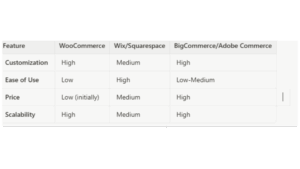
By carefully evaluating your options and considering your long-term vision, you can find an e-commerce platform that not only meets your current needs but also supports your future growth